How AI Image Enhancers and Image Extenders Improve Photos for Digital Content
Turn imperfect photos into polished visuals with AI. Discover how to sharpen blurry details, expand image backgrounds, and reshape compositions to fit any creative project without starting from scratch.
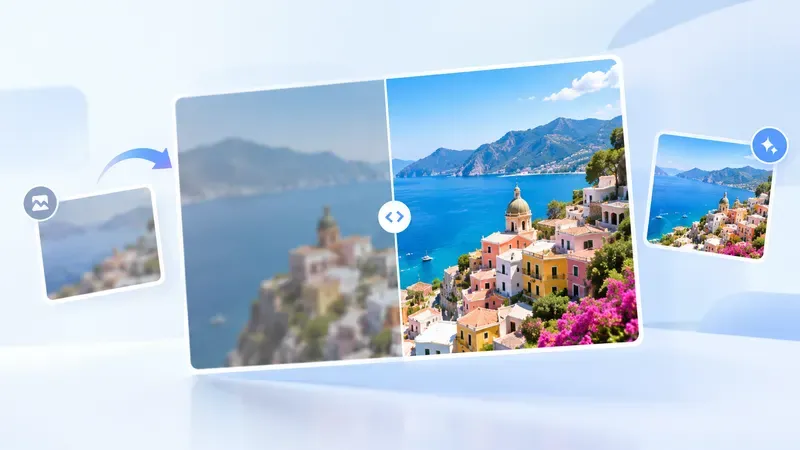
High-quality images are essential for creating engaging digital content. Whether you're managing a website, running an online store, or creating social media posts, the quality and presentation of your visuals can influence how audiences perceive your content. However, not every photo is captured in perfect lighting, resolution, or composition. Some images appear blurry, while others have limited background space or unsuitable dimensions for different platforms. Artificial intelligence is making it easier to address these challenges without requiring advanced photo editing skills.
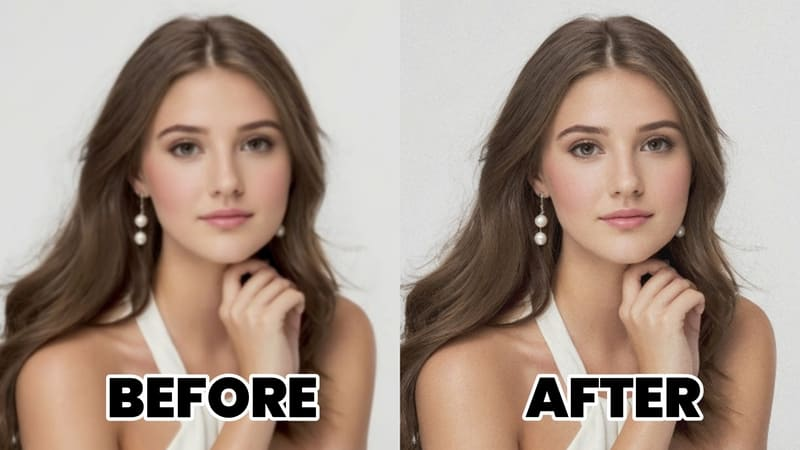
An AI-powered image enhancer helps improve the overall quality of photos by reducing blur, improving clarity, and enhancing visible details. Instead of manually adjusting multiple editing settings, users can rely on AI to analyze image quality and make improvements. This is particularly useful for content creators, marketers, and website owners who frequently work with low-resolution images or photos that need additional refinement before publication.
An image extender, on the other hand, solves a different problem by expanding photos beyond their original boundaries. Using AI-generated content, these tools can extend backgrounds, create additional space around subjects, and adapt images to different aspect ratios. This makes it easier to repurpose existing visuals for website banners, social media graphics, advertisements, and other digital formats without relying entirely on cropping or stretching.
Why Image Quality Matters in Digital Content
Images are often among the first elements people notice when visiting a website or scrolling through social media. Clear, properly sized visuals help communicate information effectively and create a more professional appearance.
For businesses, poor image quality can make products appear less appealing. For bloggers and publishers, blurry or incorrectly sized images can reduce the visual impact of otherwise valuable content. Social media creators also face challenges when using the same photo across platforms with different image dimension requirements.
Maintaining consistent image quality becomes especially difficult when working with photos collected from different sources. Some may be compressed, others may have low resolution, and certain images may not fit the intended layout.
AI photo editing tools provide practical ways to address these problems while reducing the amount of manual editing required.
How AI Image Enhancers Improve Photo Quality
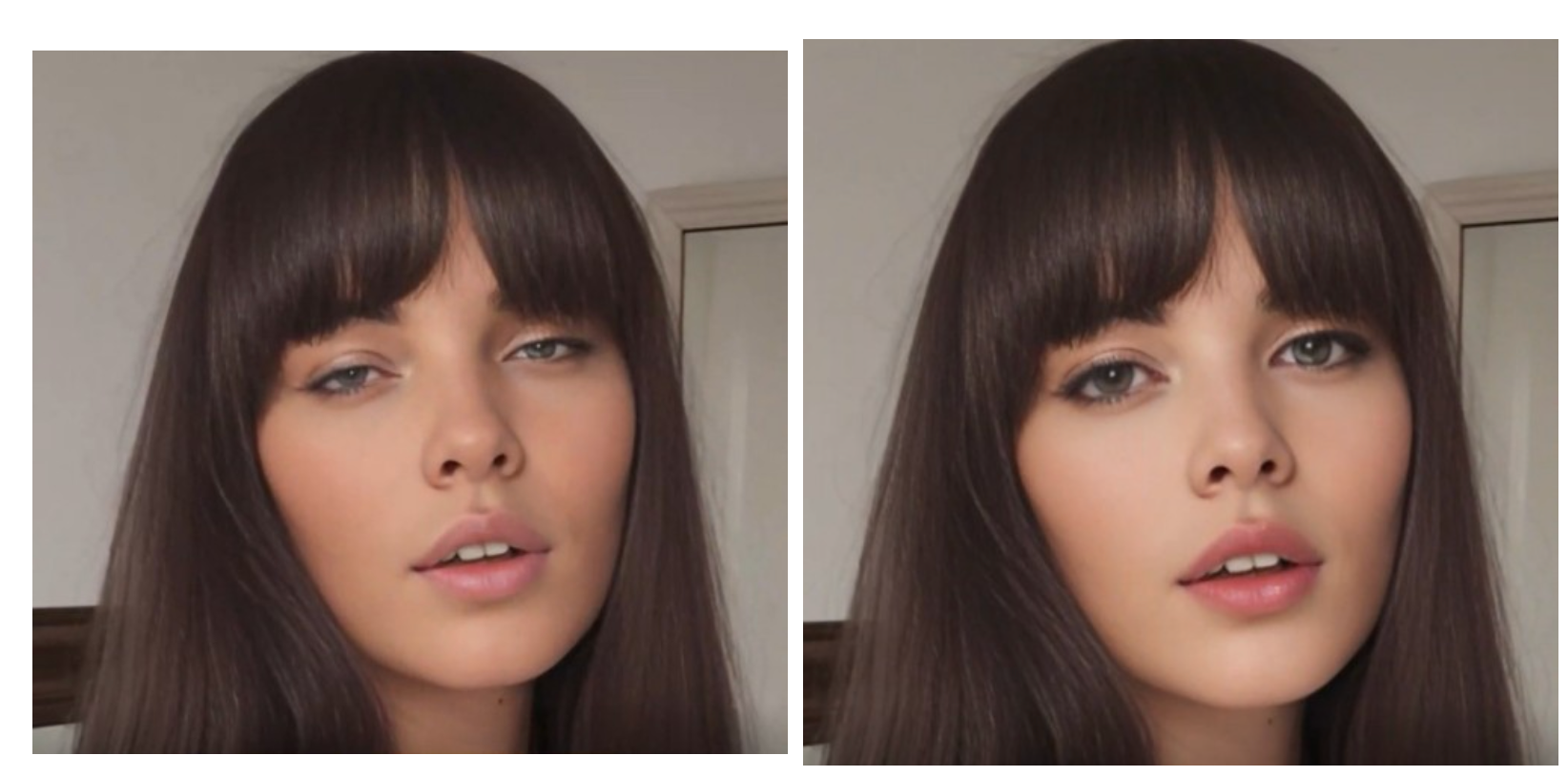
Image enhancement technology uses artificial intelligence to analyze visual information and improve the appearance of photographs. Unlike traditional editing methods that often require individual adjustments, AI-based enhancement can automate several improvements.
Improve Blurry and Low-Resolution Photos
Blurry images are a common challenge, especially when photographs are captured in poor lighting or with older devices. Low-resolution images may also lose clarity when enlarged for websites or promotional materials.
AI enhancement tools can improve perceived sharpness, reduce certain types of blur, and reconstruct visual details based on patterns learned during training.
For example, an online store may have older product photographs that appear unclear on modern displays. Instead of arranging another photoshoot, the business can use AI enhancement to improve the existing images.
However, the results depend on the quality of the original photo. Extremely blurred or damaged images may not be fully recoverable.
Enhance Details and Textures
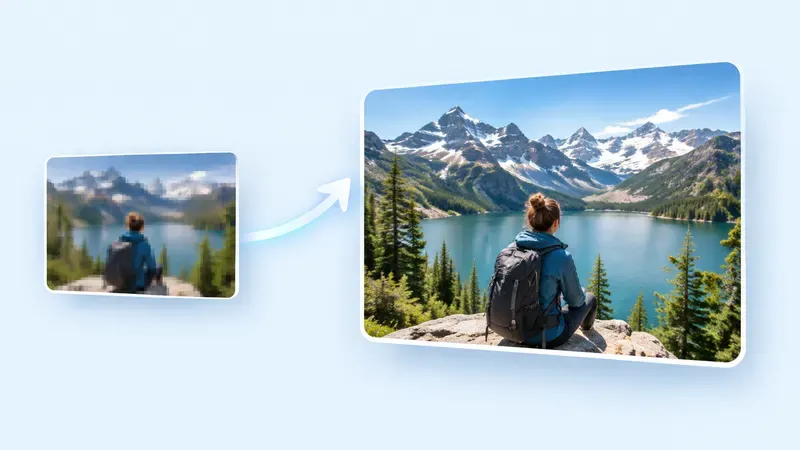
Small details can make a significant difference in how photographs appear. Product textures, architectural features, clothing materials, and natural landscapes often benefit from additional clarity.
AI enhancement can improve the visibility of these elements while helping maintain the overall appearance of the original image.
This is particularly useful for businesses that want to present products more clearly or photographers preparing images for online portfolios.
Reduce Noise and Compression Artifacts
Digital photographs sometimes contain unwanted grain, noise, or compression artifacts. These problems are common in images captured under low-light conditions or repeatedly compressed for online sharing.
AI-based photo enhancement can help reduce these visual distractions, making images appear cleaner and more suitable for digital publication.
For website owners, improving image clarity can also help maintain a consistent visual presentation across different pages.
How AI Image Extenders Improve Image Composition
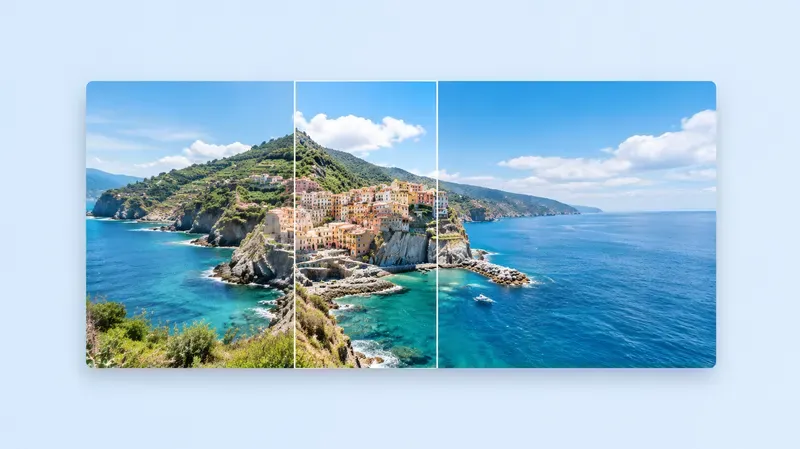
While image enhancement focuses on improving existing visual information, image extension helps users modify the composition and dimensions of their photographs.
An image that looks excellent in its original format may not fit a website banner, advertisement, or social media layout. Traditional solutions often involve cropping important elements or stretching the image, which can negatively affect its appearance.
AI image extension offers another approach by generating additional visual content around the original photograph.
Expand Backgrounds Without Cropping Important Subjects
Cropping is one of the most common ways to adjust image dimensions, but it can remove important details from the original composition.
For example, a portrait photograph may work well as a vertical image but become difficult to use in a horizontal website banner.
AI image extension can generate additional background space around the subject, allowing the image to fit a wider layout while preserving the central content.
This is particularly useful for portraits, product photography, travel images, and promotional graphics.
Adjust Photos for Different Aspect Ratios
Digital platforms use different image dimensions. A photograph designed for an Instagram post may not fit a YouTube thumbnail, website header, or Facebook advertisement.
Instead of creating entirely new images for each platform, content creators can use AI extensions to adapt their existing photographs.
For example, a square product image can be expanded into a horizontal composition for an advertising banner. Similarly, a landscape photograph can be extended vertically to better fit certain social media formats.
This flexibility makes image extension valuable for businesses managing content across multiple channels.
Create Additional Space for Text and Design Elements
Marketing visuals frequently require space for headlines, promotional messages, logos, or call-to-action buttons.
However, the original photograph may not provide enough empty space for these elements without covering important subjects.
AI image extension can generate additional background areas that designers can use for text placement.
For instance, a business promoting a new product can extend the background of its product photograph to create room for a headline and promotional offer.
This approach helps preserve the original subject while providing more flexibility for graphic design.
Combining Image Enhancement and Image Extension for Better Results
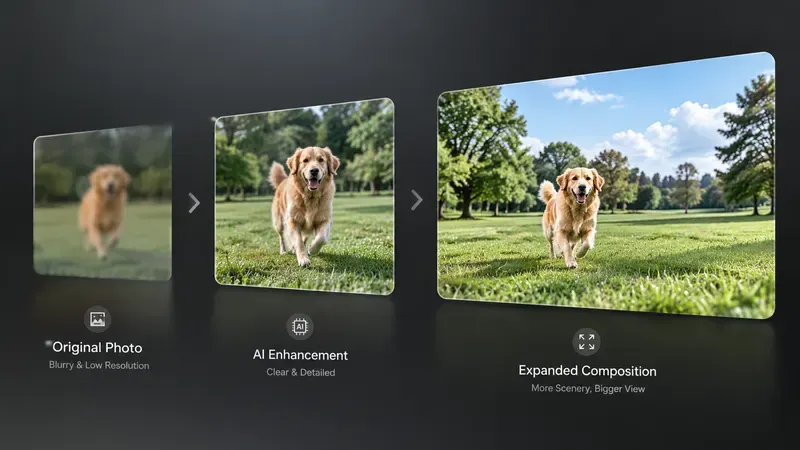
Although image enhancement and image extension serve different purposes, they can be especially useful when combined in a single editing workflow.
Consider a business preparing an older product photograph for a new marketing campaign. The original image may have limited resolution and a narrow composition, making it unsuitable for a large website banner.
The business can first enhance the photograph to improve its clarity and visible details. Next, it can extend the image background to create a wider composition that fits the banner dimensions.
This process allows the business to reuse existing photography rather than creating new images from scratch.
The same workflow can benefit bloggers, social media managers, digital marketers, and photographers who regularly adapt images for different purposes.
How Airbrush Helps Improve and Expand Digital Images
Airbrush provides AI-powered photo editing tools that help users improve image quality and adjust image compositions without complicated manual editing.
With the Airbrush Image Enhancer, users can improve photo clarity, enhance visible details, and increase image resolution. It can be useful for preparing product photographs, portraits, older images, and other visuals that need additional refinement before being published online.
The Airbrush Image Extender allows users to expand photographs beyond their original boundaries using AI-generated backgrounds. It helps adapt images to different aspect ratios, create additional space around subjects, and prepare visuals for websites, social media, and marketing campaigns.
Together, these tools offer a practical workflow for improving existing photographs and preparing them for different digital formats.
For content creators and businesses managing large amounts of visual content, having access to both capabilities can simplify routine photo editing tasks.
Practical Applications for Content Creators and Businesses
AI image enhancement and extension can support a wide range of digital content workflows.
E-commerce Product Photography
Online retailers need clear product images that display important details. AI enhancement can help improve the clarity of existing product photographs, while image extension can provide additional background space for promotional banners and advertisements.
Social Media Marketing
Social media managers frequently need to adapt visuals for different platforms. AI image extension helps adjust image compositions, while enhancement can improve the quality of photographs before they are shared.
This makes it easier to repurpose existing visual assets across multiple campaigns.
Website Design and Blogging
Website owners often need images in specific dimensions for blog headers, featured images, landing pages, and promotional sections.
AI editing tools can help improve image quality and modify compositions to better match these requirements.
However, website owners should still optimize file sizes and use appropriate image formats to maintain good loading performance.
Digital Advertising
Advertising visuals need to communicate information clearly while leaving enough space for promotional messages.
Image enhancement can improve the appearance of the main photograph, while image extension can create additional space for headlines, branding, and other design elements.
This allows marketers to experiment with different layouts without repeatedly replacing the original photograph.
Best Practices for Using AI Photo Editing Tools
AI editing tools can simplify image preparation, but thoughtful use remains important.
Start with the highest-quality original image available. Although AI can improve low-resolution photos, better source material generally produces more reliable results.
When enhancing photographs, avoid excessive sharpening or unrealistic textures. The goal should be to improve visual quality while maintaining a natural appearance.
For image extension, review the generated background carefully. AI-generated areas may occasionally contain inconsistent patterns, unusual objects, or details that do not match the original scene.
Finally, export images in dimensions and formats appropriate for their intended platforms. A visually improved image should also be optimized for efficient online delivery.
Conclusion
AI image enhancement and image extension are changing how individuals and businesses prepare photographs for digital content. While image enhancement helps improve clarity, resolution, and visible details, image extension provides greater flexibility by expanding backgrounds and adapting compositions to different formats.
By combining these technologies, content creators can make better use of existing photographs, reduce repetitive editing work, and prepare visuals for websites, social media, online stores, and marketing campaigns.
Tools such as Airbrush make these capabilities more accessible, helping users improve and expand their images without relying on complicated editing workflows. As visual content continues to play an important role in digital communication, AI-powered photo editing offers practical ways to create more polished and adaptable imagery.