Multimodal AI: Applying Text, Image, and Video Models in Business Operation
Multimodal AI combines text, image, and video models to streamline customer support, marketing, quality checks, and daily business operations clearly.
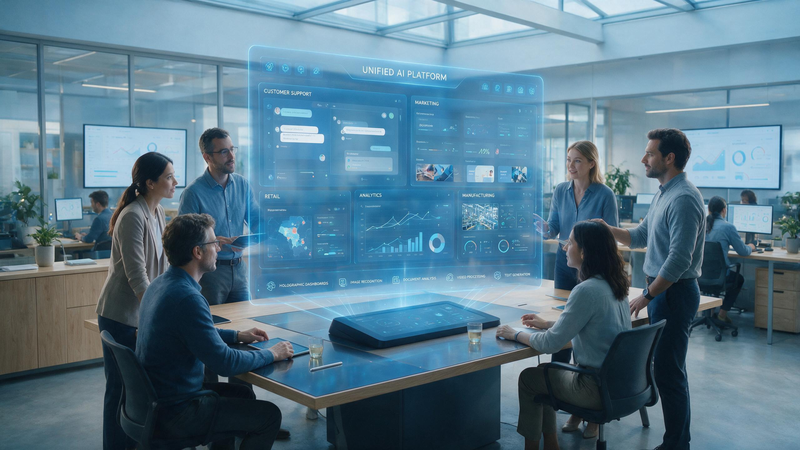
Think of a distribution center manager, sales supervisor, and customer service analyst examining an image of a damaged shipment. Where the employees once needed separate systems for each task, now a single solution allows them to simultaneously process photographs, create reports, and reply.
This new way to blend text and images is transforming day-to-day operations more people are unaware of. Where previously companies had to stitch together unrelated pieces of software, now they are able to carry out entire operations using one integrated multimodal technology.
But the most exciting part of this technology is not its complexity, but the convenience it brings to daily work in warehouses and call centers and others where it’s applied.
Customer Support That Actually Sees the Problem
Imagine some people working for a company gathering in front of an image sent by a customer of a damaged shipment. They used to use different tools to get jobs done, but now they only need a single machine that does everything in seconds.
With the help of this particular piece of equipment, people can now view images, create reports of incidents, and send messages to customers in no time. Teams now run an AI checker over submitted photos to confirm they show the actual product before routing a claim.
Today, the most important thing is to abandon separate tools. Things have changed, and people are now using one intelligent system to process images, frames, and text materials together.
As for the real miracle of this technology, it is that it has become so common, helping people not in their corporate meetings, but in factories and warehouses.
Marketing Content That Writes and Edits Itself
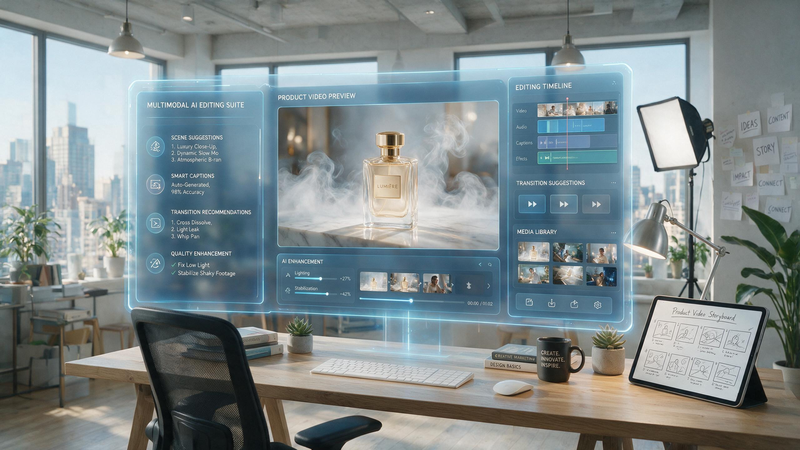
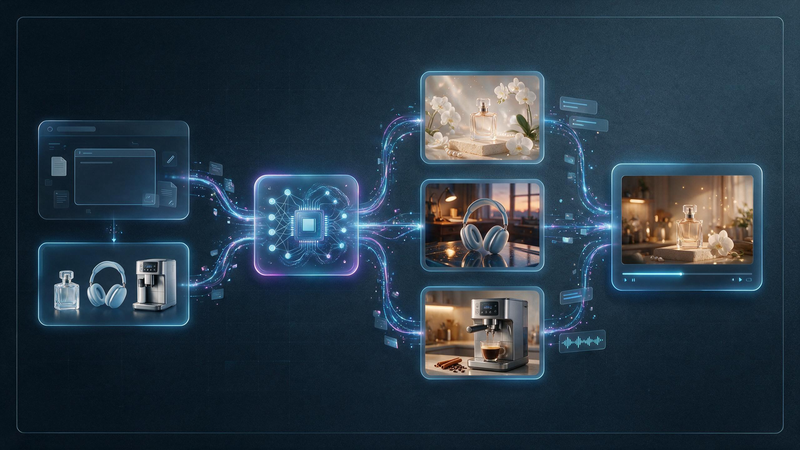
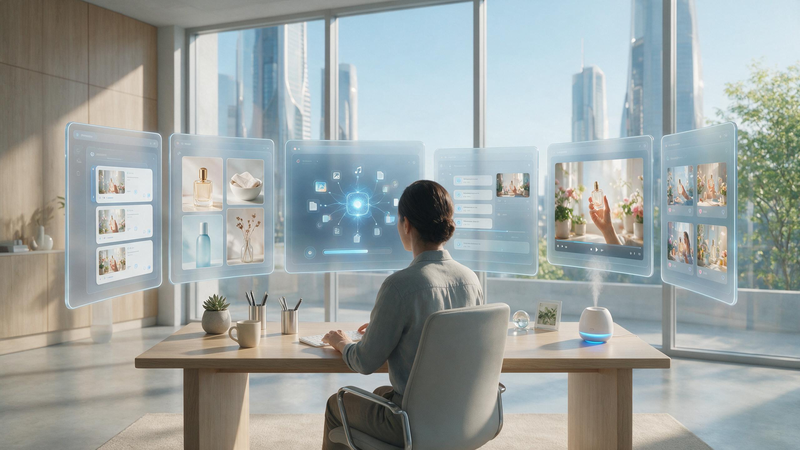
Previously, marketing teams would pass scripts, footage, and captions to different people, but now, with multimodal tools, everything is done at once.
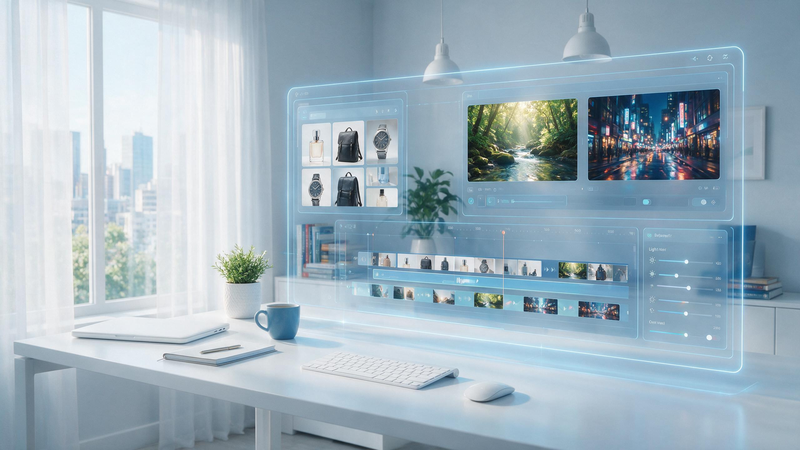
However, with this system in place, when an advertiser provides details about their product, they get recommended scenes, captions, and a built-in video enhancer tackles problems like poor lighting, shaky footage, and pacing.
It will not replace creativity but will take care of the dirty work. Therefore, a small working group can produce high-quality video faster.
This is especially useful for small businesses. This is because now one marketer can produce dozens of ready-to-publish videos without the need to hire an outside agency.
Walking the Aisles Without Walking the Aisles
The task of retail inventory was once done using clipboards, tiresome manual counts, and hours spent scrutinizing spreadsheets to check stock numbers.
Now, workers can simply walk through their aisles with their phones. The system captures images of the shelves and immediately compares them with real-time sales data.
It detects empty spaces, wrongly placed merchandise, and expired items, and prepares short summaries for the managers to read.
With fewer missed replenishments, the company loses less in terms of revenues and provides the HQ with accurate and uninterrupted statistics for all locations.
Catching Defects Before Customers Do
Individuals may struggle to identify small defects on the high-speed assembly line due to human limitations. The good news is that the application of sophisticated vision cameras has vastly simplified the process of identifying scratches and misalignments.
Upon the detection of a defect, the system promptly creates a message that informs stakeholders of the nature of the defect and its precise location. This removes uncertainty out of the relationship between technicians.
In addition, this approach eliminates a plethora of problems stemming from communication failures that shift workers and management have to resolve in the course of their work.
Since less defective units reach the warehouse, the number of returns and complaints from the company's clients will be quite low.
Furthermore, supervisors receive the records of the detected problems, so they will be able to track the occurrence of defects easily.
Understanding How People Actually Move Through Space
Have you ever thought about where exactly people tend to linger or speed through stores? Retailers have been trying to crack the code for years.
Today, smart cameras can provide daily reports based on raw video footage of foot traffic. You won't have to assume what will attract people to your store.
In addition, managers do not need to waste hours watching videos anymore. They only need to read the short reports that provide detailed information about foot traffic through every part of the store.
The best part is that this technology relies on security cameras that you already possess. You do not have to purchase any costly new equipment.
This means that you will no longer have to rely on intuition when designing your store or trying out a new display. You will find out almost instantly if your idea is good.
Onboarding That Doesn't Rely on a Binder
Do you remember those tedious orientation manuals/boring PowerPoint? In conventional onboarding, organizations used to work with dusty manuals that would never be updated after the managers left. Fortunately, now it is all in the past.
Nowadays, mixed-level solutions are helping in making video clips directly from text manuals; thus, voicing lines get synchronized with a real video of the procedures performed.
Now the workers can see and realize all the steps without making any guesses. Moreover, it is clear that the videos are automatically adjusted in case of changes in procedures.
It means that new employees can assimilate all the needed information quicker, while trainers don’t have to re-explain the same things again.
Spotting Equipment Trouble Before It Breaks
Initially, problems with industrial equipment become visible only after unusual vibrations or thermic variations are spotted, which tend to happen without attracting attention until it becomes impossible to prevent the equipment from breaking down.
Multimodal monitoring is a solution that enables the use of video and sensors, as well as monitoring scopes of operations, providing possibilities of analyzing complicated regularities that cannot be obtained from one of the data sources only.
It is possible to see if the vibration on the video matches the increased temperature signal from the log in order to ensure the problem is detected immediately.
Maintenance personnel are supplied with detailed information whenever the event occurs so that they cope with the problem without looking at the light in disbelief.
Such an approach results in enhanced transparency of the maintenance process so that the management can carry out the necessary repairs properly and save money.
Keeping Compliance Paperwork Honest
Regulated industries produce huge amounts of paperwork. Historically, manually checking images against written documentation has been a tedious and time-consuming process.
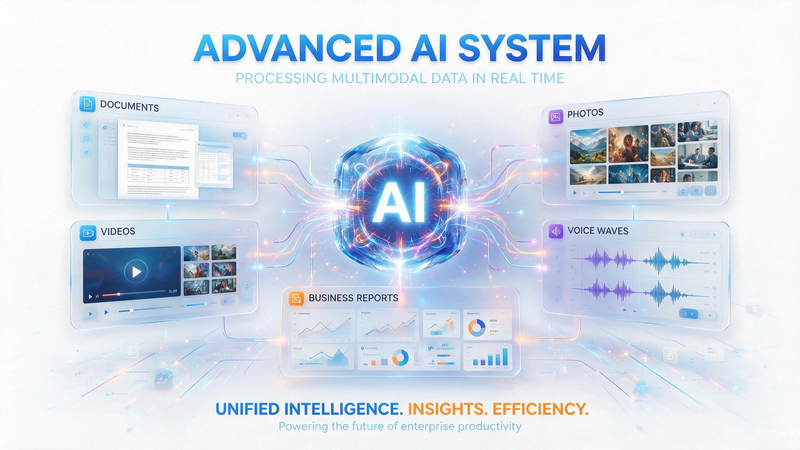
Artificial intelligence models analyze images or videos from the site and safety logs and automatically spot problems such as the lack of guardrails mentioned in the report.
The point of the process is to identify compliance issues before inspectors come to the site so that companies can fix violations discreetly, avoiding penalties.
The auditor receives a consolidated report that has the written logs, information about the visual media used, and the comments on the discrepancies found.
In high-risk industries, automatic cross-referencing pays for itself right from the start. It prepares the ground for efficient auditing by organizing visual support and official documentation.
Shopping That Feels Personal Again
Consumers of electronic commerce seldom use language consistent with specific product catalogs. They know what they want when they spot it, satisfaction that traditional textual search cannot provide.
At present, consumers upload photos of goods hunted to visually find other similar ones on the market. In this way, personalized recommendations based on the collected purchases of customers reflect real preferences of consumers, not just best-selling items.
At product pages, distinctive static images become short, described videos automatically, giving the consumer a good opportunity to see whether the product matches him or her in terms of fit, texture, and style in live action.
Small e-commerce companies can offer such new possibilities without the need for hiring data specialists.
Turning Dense Reports Into Something People Watch
No individual is fond of reading through long tedious quality assurance reports or complexity-filled internal policy papers even if they relate to what they do in their everyday job.
Modern-day multimedia technologies allow the transformation of these complicated documents into short video summaries with a narration that includes understandable and plain visuals.
The approach works perfectly in the case of internal training sessions, meetings of boards of directors, and summaries for customers.
Each video is accompanied by a transcript that guarantees full reliability of information for those who prefer to read texts or those who may want to use written versions of videos in the future.
Final Thoughts
There is no need to destroy present systems here. Most firms take their initial step by focusing on one particular process; for instance, they target either customer support or content development to experiment with multimodal tools in action.
The most effective principle is to address real bottlenecks rather than using the latest trends. This way, companies will be able to make a strong internal case for further developments.
Data quality is more important than the choice of the model. Well-structured and organized text, images, and video will always work better than a more sophisticated model with poorly structured data fed to it.
Firms that take this process step by step, that embrace gradual improvement, get better results, have fewer disappointed employees, and face fewer troubles during the integration process.